Every few years, NCWRPC updates basic demographic and economic development information in the form of County Profiles, which provide a snapshot of current economic trends and opportunities for economic growth. Included is a map of business park locations where acreage is available as well as contacts for various economic development agencies and programs.
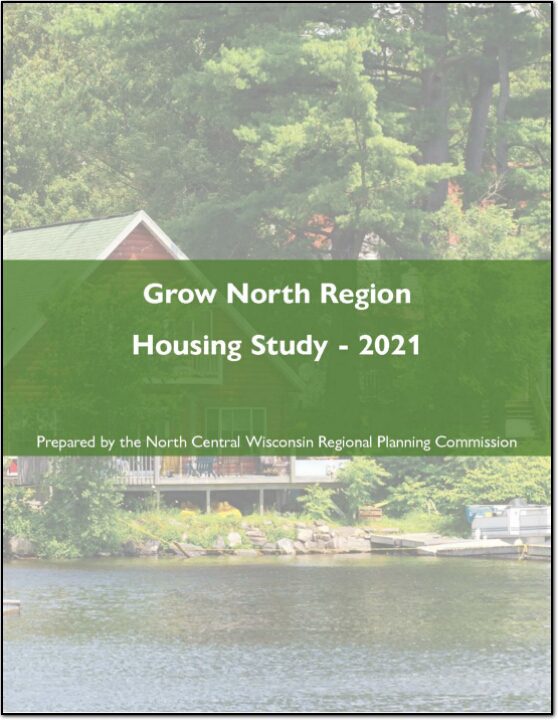
Grow North Region Housing Study – 2021
Housing is a crucial component of livability and is critical for regional and local prosperity. Communities that can offer a variety of housing types that are affordable across a wide spectrum of income levels are significantly more capable of providing the conditions necessary to attract and retain residents of all life phases. Housing impacts more than just residents, as housing also impacts transportation, employment, economic development, land use patterns, and communities themselves. The connection between housing and work is a fundamental function of any transportation system, as many workers are required to travel to their jobs. This relationship between housing, employment, and transportation guides land use decisions, and fosters economic development and a sense of community within communities and the
Region.
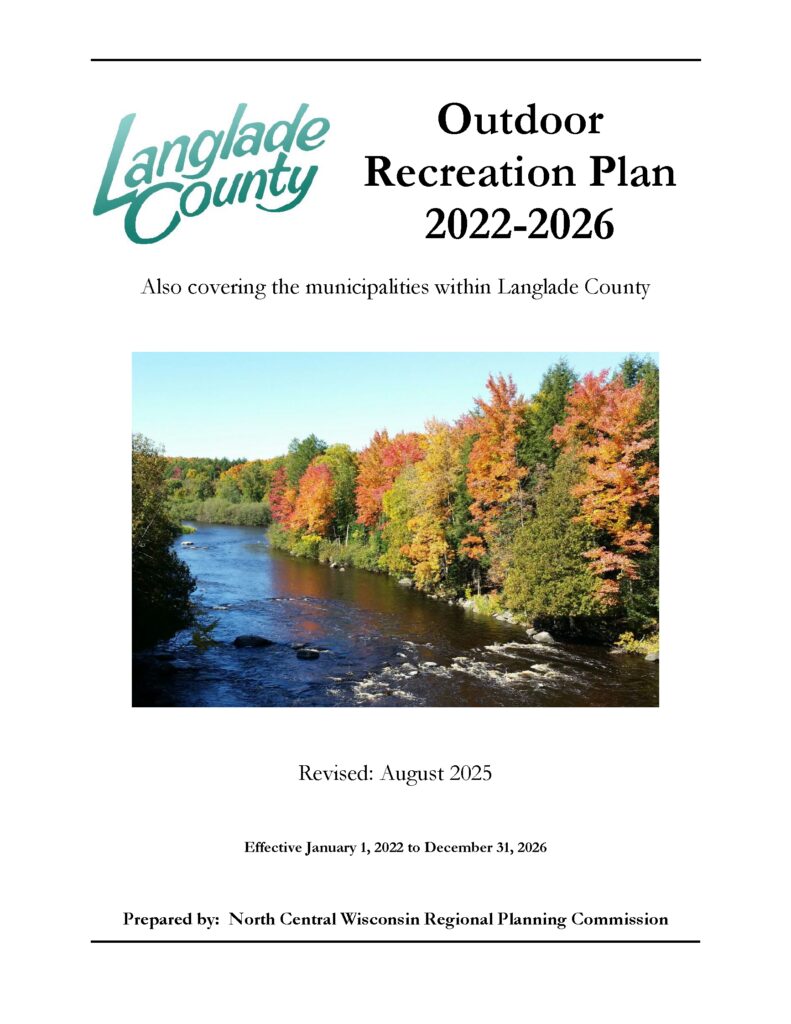
Langlade County Outdoor Recreation Plan 2022-2026
The primary purpose of this outdoor recreation plan is to provide continued direction toward meeting the current and future recreation needs of Langlade County. This is accomplished through an inventory and analysis of outdoor recreational facilities, asking the public what they are looking for, and the establishment of recommendations to meet identified needs.
Ronald Nye
Langlade County
Angela Close
Langlade County
Reinhardt Balcerzak
Langlade County
Langlade County
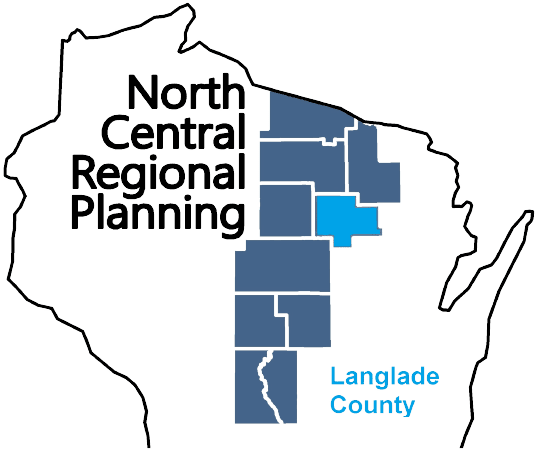
Langlade County is a county located in northern Wisconsin. As of the 2020 census, the population was 19,491. The county seat is Antigo. Langlade County was created in 1879 and is named after Charles Langlade, a prominent fur trader and early settler in Wisconsin. The county is known for its many lakes, forests and outdoor recreational opportunities, including the Langlade County Forest, the Wolf River and the Ice Age Trail. The county is mostly rural with logging and paper mills as major industries. The county has several small towns and communities, including White Lake, Elcho, and Summit Lake. The county is also known for its hunting, fishing, and snowmobiling.
NEWCOM
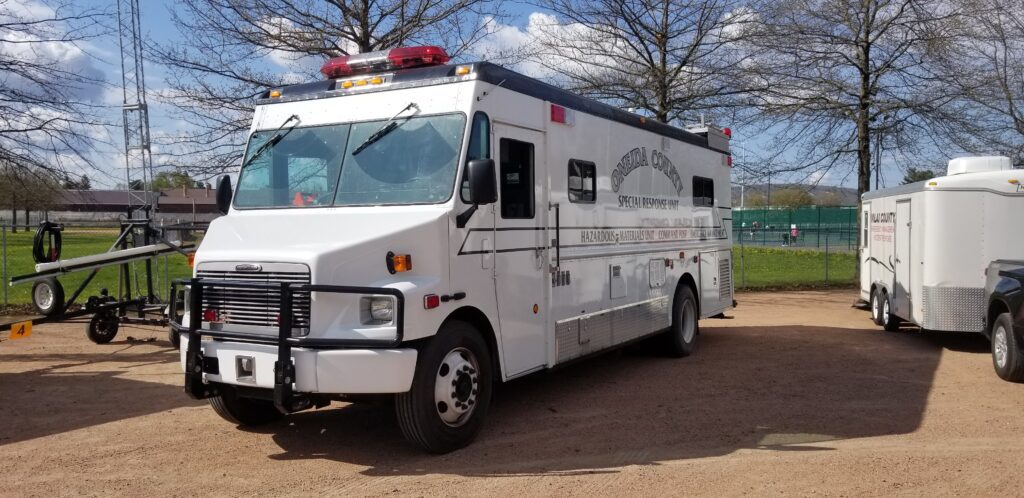
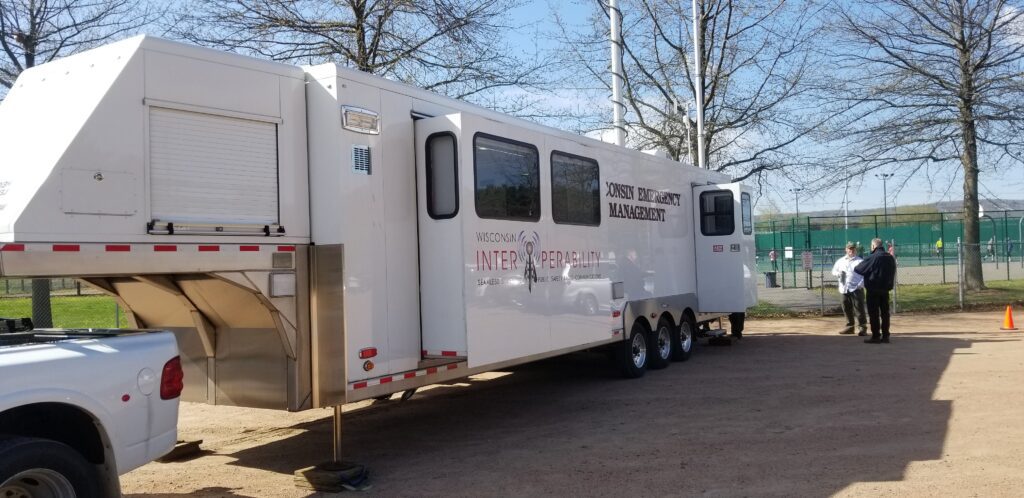
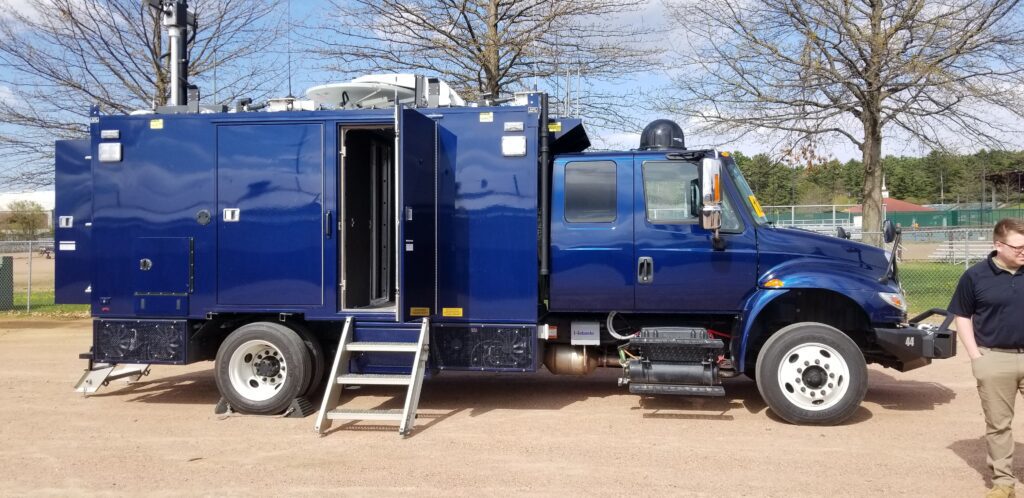
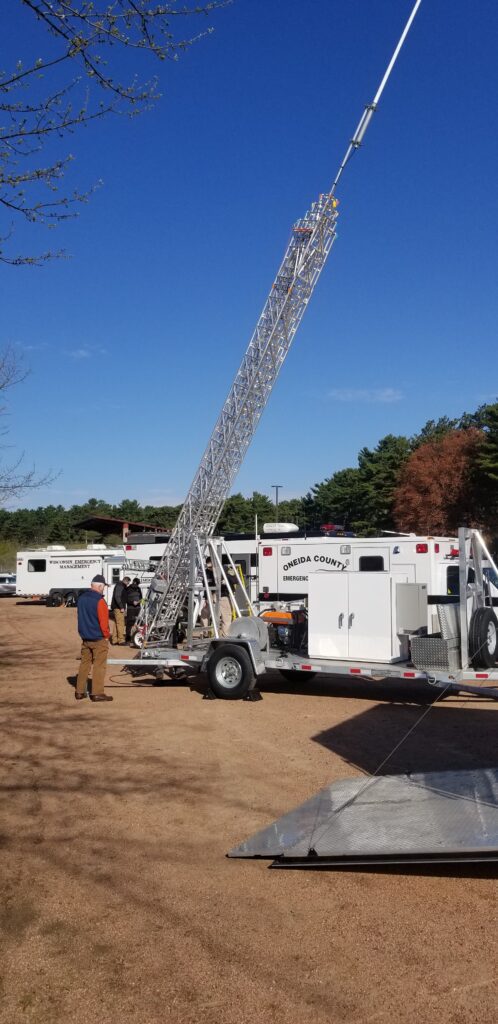
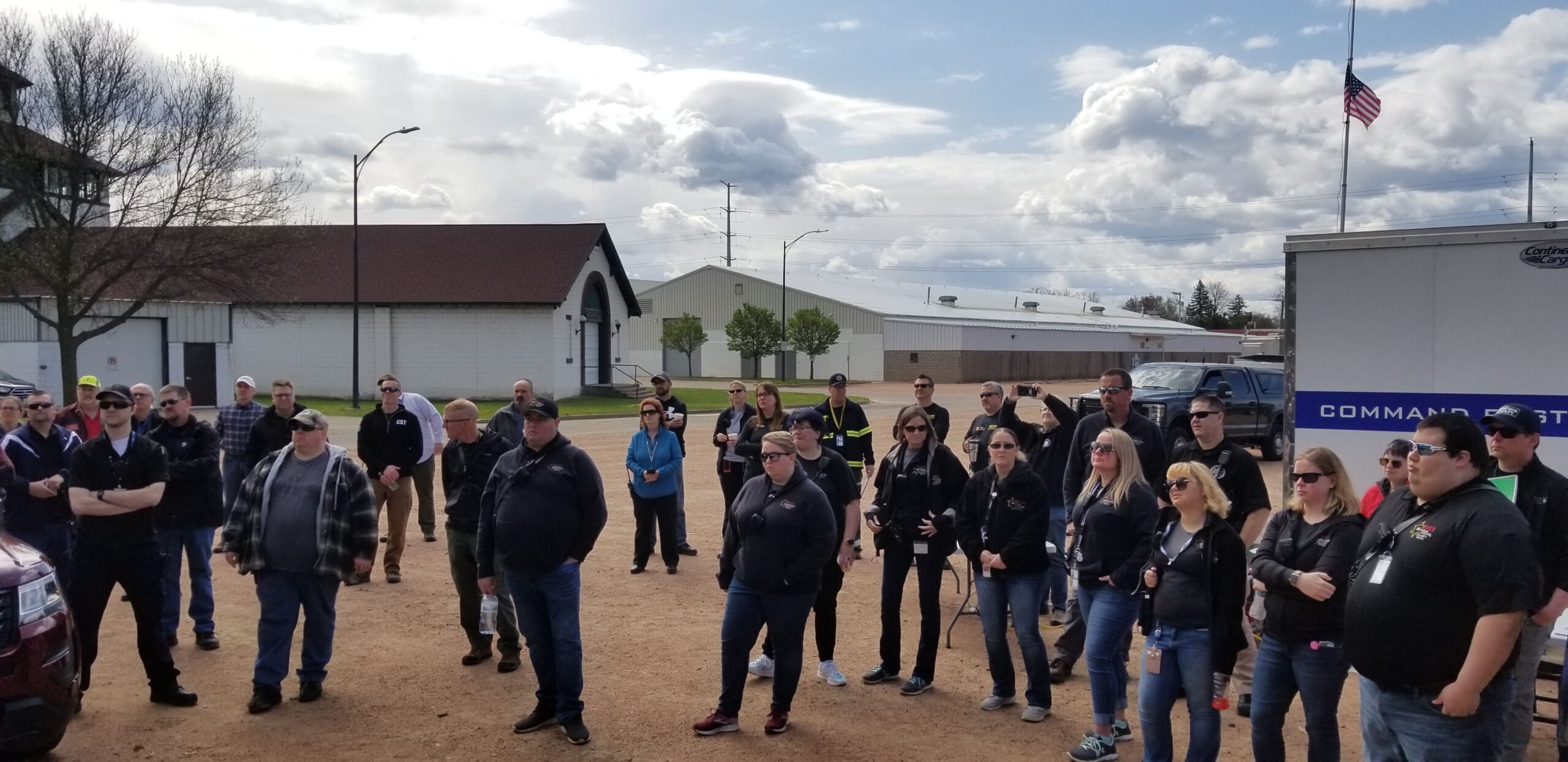
The counties of northeastern Wisconsin have a long history of working cooperatively to address the public safety needs of the area. This latest effort, called the North East Wisconsin Public Safety COMmunications or NEWCOM, will create a group that will identify the communication needs for the area, so the 500 plus law enforcement and public safety organizations can communicate effectively throughout the Region.
The group formed under Intergovernmental Agreement §66.0301, Wis. Stats in 2006
Meetings 2026
February 5th
May 7th
August 6th
November 5th
| Sherri Congleton | Vilas County | Chair |
| Ryan Berdal | Marathon County | Vice-Chair |
| Rozanne Kahan | Price County | Secretary- Treasurer |
| Christian Boulanger | NCWRPC | NEWCOM Contact |
Langlade County All Hazards Mitigation Plan Update 2020
Langlade County All Hazards Mitigation Plan (AHMP) Update describes and documents the process used to develop the plan update. This includes how it was prepared and who (committee, organizations, departments, staff, consultants, etc.) was involved in the update process. It also describes the local government involvement, the time period in which the update was prepared, and who to contact to answer questions and make recommendations for future amendments to the plan.
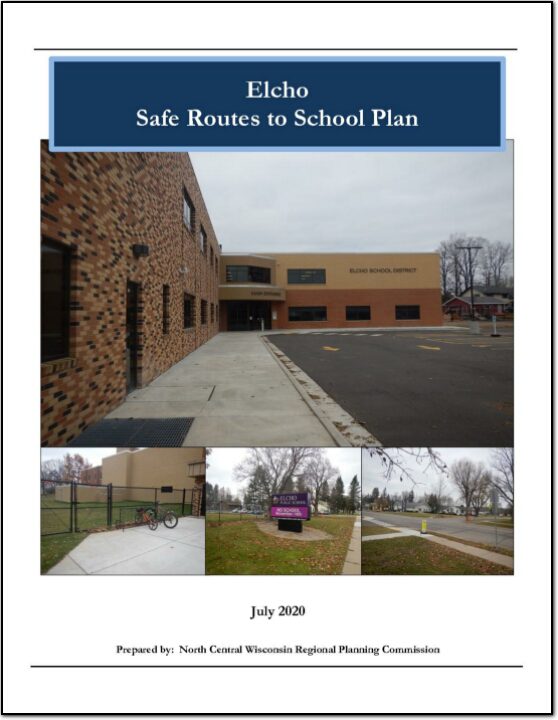
Elcho Safe Routes to School Plan
This plan was developed by NCWRPC in conjunction with the School District of Elcho, Town of Elcho, and the Elcho SRTS Task Force as part of the North Central Wisconsin Regional Safe Routes to School Program. This Regional program was made possible in part by a Transportation Alternatives Program grant from the Wisconsin Department of Transportation. Additional funding was provided by the NCWRPC.